
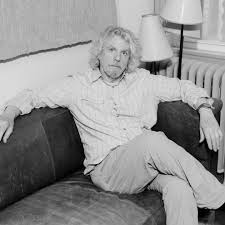
Rest in Power Bob Power — The Sonic Architect Behind Hip-Hop’s Most Timeless Records
This week we lost Bob Power, a visionary producer and engineer whose work helped shape the sound of hip-hop and soul in ways that will echo for generations.
Bob wasn’t always the loudest name in the credits, but his ears, his musical intuition, and his commitment to craft made him one of the most important figures behind the boards during a pivotal era of hip-hop. His work on The Low End Theory with A Tribe Called Quest helped define the sonic blueprint of the golden age — warm basslines, crisp drums, and a deep musicality that drew from jazz, soul, and the rhythm of the streets. That album didn’t just influence hip-hop; it changed how producers thought about space, groove, and feeling in a record.
But Bob’s contribution to the culture stretches far beyond one classic album. His work with The Roots, Rahzel, D’Angelo, the Jungle Brothers, and many others helped bridge hip-hop, soul, and live musicianship at a time when the sound of the culture was expanding in powerful new directions. He had a rare ability to capture the human feel in music — the swing of a drum, the warmth of a bassline, the subtle textures that make a record timeless.
Artists trusted him because he understood the music at its core. He wasn’t just recording sound — he was helping translate creative vision into something that could live forever on tape.
Many of the records that shaped the soundtrack of the 90s carry Bob Power’s fingerprints. His work helped push hip-hop toward deeper musicality and helped lay the groundwork for the neo-soul movement that followed.
Bob Power helped give the culture its sound.
His legacy lives on in every warm bassline, every dusty drum break, and every artist who continues to chase that same balance of soul, groove, and authenticity.
Rest in power, Bob. Your work will keep speaking for you.


