A brief look into Brazil’s Hip-Hop History
For more than four decades, Brazilian hip-hop has been telling stories from the country’s streets, neighbourhoods and peripheries. What began taking shape in Brazil in the early 1980s through breaking, DJing, graffiti and rap has grown into one of the country’s most influential cultural movements. Now, that culture is taking up space on some of Brazil’s biggest festival stages.
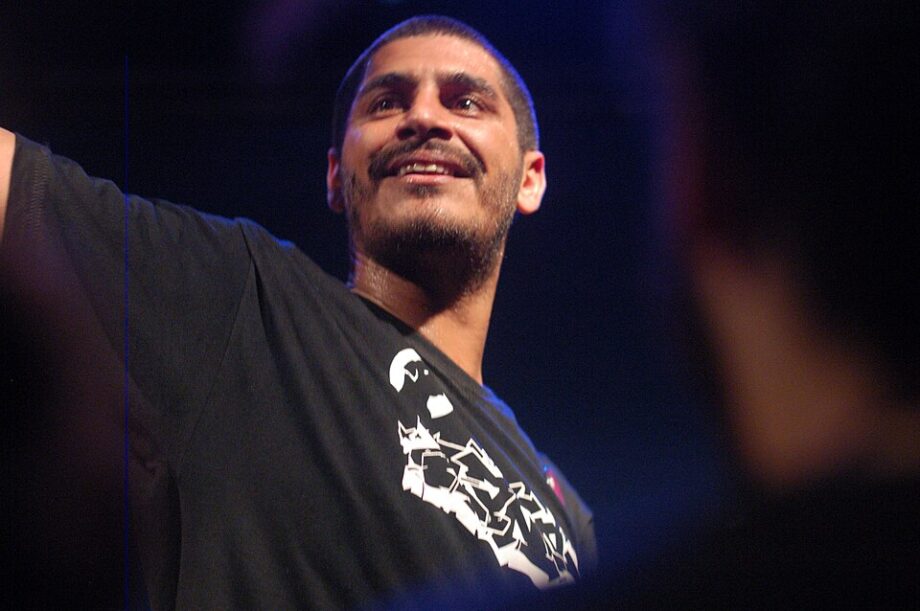
Few artists represent that journey as clearly as Criolo. At São Paulo’s Coala Festival in early September 2026, Criolo closed the Sunday programme with a special performance celebrating 15 years of Nó na Orelha, the 2011 album that helped take his music from São Paulo’s underground hip-hop scene into a much wider Brazilian audience. He shared the day’s programme with artists including Duquesa, Luedji Luna, João Gomes and Seu Jorge a mixture of generations and genres that says something about where Brazilian music, and Brazilian hip-hop in particular, has arrived.
But to understand why that moment matters, you have to go back much further than Nó na Orelha.
The Origins of Brazilian Hip-Hop in São Paulo
Brazilian hip-hop began developing in the 1980s, particularly in São Paulo. Young people were drawn to the culture emerging from the United States, but they quickly began adapting it to their own realities.
The area around São Bento metro station became one of the defining meeting points. Breakers, DJs, MCs and graffiti artists gathered there, turning public space into somewhere to practise, compete, exchange ideas and build community. São Bento became a crucial part of the formation of São Paulo’s hip-hop identity. This was never simply about copying American hip-hop. Brazilian artists began putting their own experiences into the music — particularly the experiences of Black and working-class communities living on the city’s outskirts.
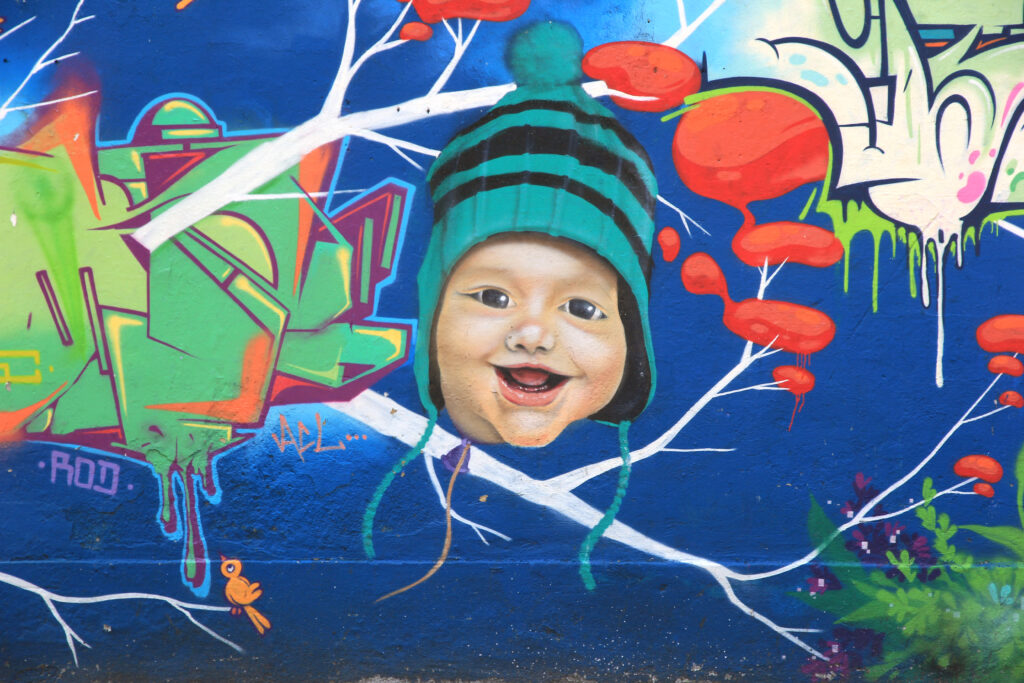
By 1988, Hip-Hop Cultura de Rua had helped document the emerging scene, featuring artists including Thaíde & DJ Hum, MC Jack and others. Around the same period, Racionais MC’s emerged, bringing a powerful social consciousness to Brazilian rap and giving voice to experiences of racism, inequality, violence and life in São Paulo’s periferias. The culture was growing, but it was still very much rooted in the streets.
The Rise of Brazilian Hip-hop
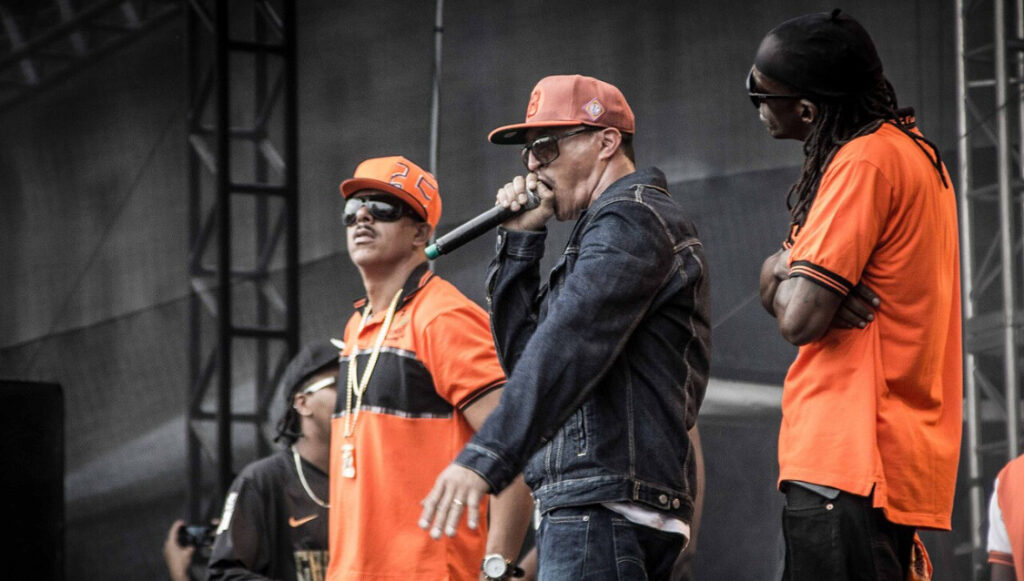
Over the following decades, Brazilian hip-hop developed its own language, sound and identity. Racionais MC’s became one of the country’s most important groups. Artists such as Thaíde, DJ Hum, Sabotage and others helped build the foundations that later generations would inherit.
And the culture continued to evolve. One of the most interesting things about Brazilian hip-hop is that it has never existed in isolation. Rap began connecting with samba, funk, reggae, soul, MPB and Afro-Brazilian musical traditions. The result was a sound that could be unmistakably hip-hop while still sounding deeply Brazilian.
That evolution created space for artists such as Criolo.
Criolo and the Evolution of Brazilian Hip-Hop
Criolo had already spent years immersed in São Paulo’s hip-hop culture before Nó na Orelha arrived in 2011. Raised in Grajaú in the city’s southern zone, he had been involved in the scene for years, including through the Rinha dos MCs battle circuit.
Then came Nó na Orelha. The album pushed well beyond conventional ideas of what a rap record could be. Hip-hop sat alongside samba, reggae, afrobeat, dub, bolero and other influences, while Criolo’s writing remained rooted in the social realities and contradictions of São Paulo.
That combination was important. Criolo didn’t abandon hip-hop by moving into different musical territory. Instead, he demonstrated how expansive Brazilian hip-hop could be. Songs such as “Não Existe Amor em SP” became widely recognised beyond the rap audience, helping turn Criolo into a major figure in contemporary Brazilian music.
Brazilian Hip-Hop Artists: From Emicida to Djonga
Criolo’s rise happened alongside a wider expansion of Brazilian hip-hop.
Emicida became one of the most visible artists of the next generation, taking rap into larger venues and international spaces while continuing to explore race, identity, Brazilian history and social inequality.
Artists including Rashid, Rael and Flora Matos developed their own voices within the expanding scene, while a younger generation including BK’, Djonga and Duquesa has continued to push Brazilian rap in new directions. Their music doesn’t all sound the same and that’s precisely the point.
Brazilian hip-hop has become increasingly diverse. Trap, grime, drill, R&B, funk and electronic production now sit alongside more traditional rap structures. Female artists and have also continued to expand the voices represented within the culture. Rather than one sound replacing another, Brazilian hip-hop has become a collection of different scenes, generations and perspectives.
Brazilian Hip-Hop Comes to the Festival Stage
That evolution is particularly visible in Brazil’s festival culture.
When Emicida appeared at Coala Festival alongside artists such as Maria Bethânia, while Criolo’s Nó na Orelha celebration shared a programme with performers from samba, MPB, pop and regional Brazilian music, the significance went beyond individual performances. These line-ups place hip-hop within Brazil’s wider musical history.
And that is a long way from where the culture began. The young people gathering around São Bento in the 1980s were creating their own spaces because mainstream culture did not necessarily make room for them. Today, artists from that tradition can stand on major festival stages alongside some of the most established names in Brazilian music.
The journey from São Bento to Coala is therefore more than a story about commercial success. It is a story about cultural permanence.
The Rappers Who Shaped Brazilian Hip-Hop
Brazilian hip-hop’s history is shaped by several generations of artists, each helping to define what the culture could become.
Racionais MC’s are arguably central to the history of Brazilian rap. Emerging from São Paulo in the late 1980s, Mano Brown, Ice Blue, Edi Rock and KL Jay brought the realities of life in Brazil’s urban peripheries into their music, addressing racism, poverty, violence and inequality. Their work helped establish rap as an important voice for Black and working-class communities in Brazil.
Thaíde & DJ Hum were among the early pioneers of São Paulo’s hip-hop movement, connecting rap with the wider breakdancing, DJ and graffiti culture developing around the city. Their work helped establish the foundations on which later generations would build.
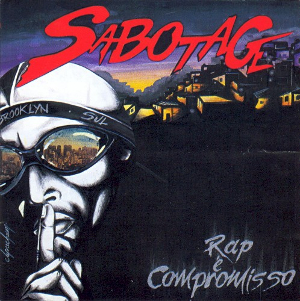
Sabotage became another hugely influential figure in São Paulo rap. Although his career was cut short by his death in 2003, his distinctive flow and ability to move between rap, reggae and other Brazilian sounds left a lasting mark on the scene.
Criolo represents another important turning point. With Nó na Orelha in 2011, he demonstrated how Brazilian rap could incorporate samba, reggae, soul and other traditions while remaining rooted in hip-hop and the realities of São Paulo.
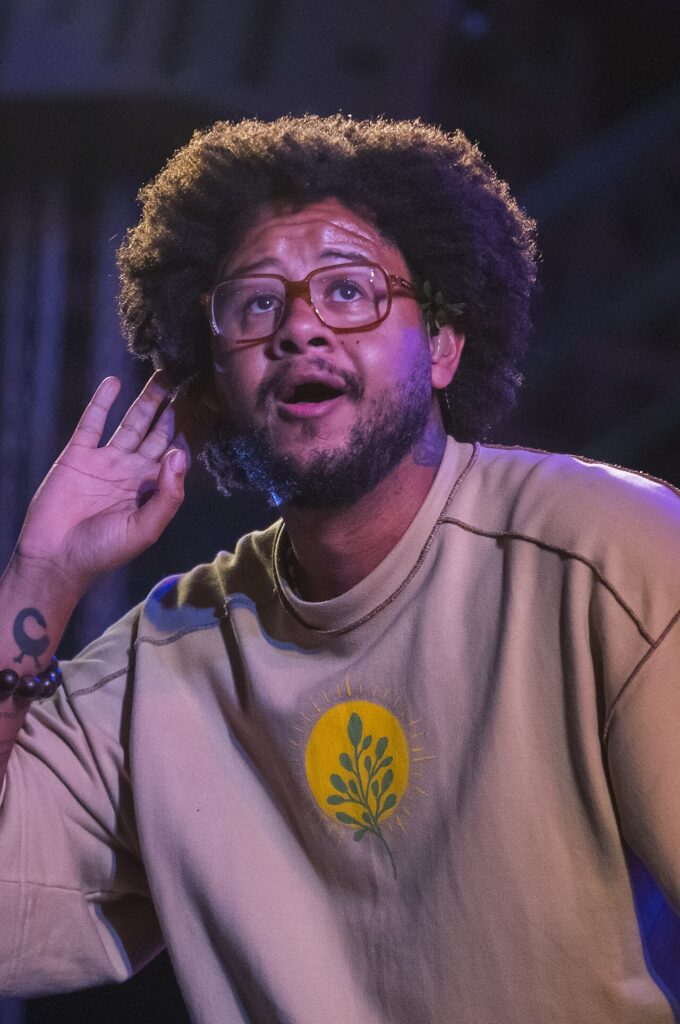
Emicida helped carry Brazilian rap into a new generation and a much wider international audience. His work has explored race, Black identity, Brazilian history and social inequality, while his collaborations have connected hip-hop with artists and traditions well beyond rap.
The newer generation has continued to expand those possibilities. BK’, Djonga, Duquesa, Flora Matos, Rashid and Rael, among others, represent different directions within contemporary Brazilian rap, from trap and grime influences to R&B, soul and more traditional hip-hop.
Together, these artists show that there is no single sound or generation that defines Brazilian hip-hop. Its history is a continuing conversation between the pioneers who established the culture, the artists who brought it into the mainstream, and a new generation constantly reshaping what Brazilian rap can be.
Why Brazilian Hip-Hop Is More Than Music
Perhaps the most important thing to understand about Brazilian hip-hop is that it has never simply been a genre of music.
It is a culture. It has provided a platform for storytelling, political expression, identity, community and creativity. It has given artists a way to document their surroundings while also imagining something beyond them. And as each generation arrives, the culture changes again.
Criolo’s Nó na Orelha remains an important marker in that evolution because it showed how Brazilian hip-hop could reach outside the traditional boundaries of rap without losing its connection to where it came from. Fifteen years after the album’s release, seeing Criolo perform it on one of São Paulo’s major festival stages creates a striking full-circle moment. The music that once found its home in subway stations, public squares and underground venues is now commanding festival stages. But the connection to the streets remains.
Brazils Hip-hop timeline in brief…
1980s — Hip-hop culture takes root in São Paulo
Late 1980s–1990s — Racionais MC’s and other pioneers establish Brazilian rap
2000s — The scene expands and new artists emerge
2011 — Criolo releases Nó na Orelha
2010s–2020s — Emicida, BK’, Djonga, Duquesa and others expand the scene
Today — Brazilian hip-hop occupies major festival stages alongside MPB, samba, funk and other genres
Brazilian hip-hop has spent more than 40 years building that bridge. from the foundations laid in the 1980s, through the generations that followed, to an increasingly visible presence at the heart of Brazil’s contemporary music culture.
And if Coala is any indication, the story is still being written.


