Is He Wrong—Or Just Saying What Many Won’t?
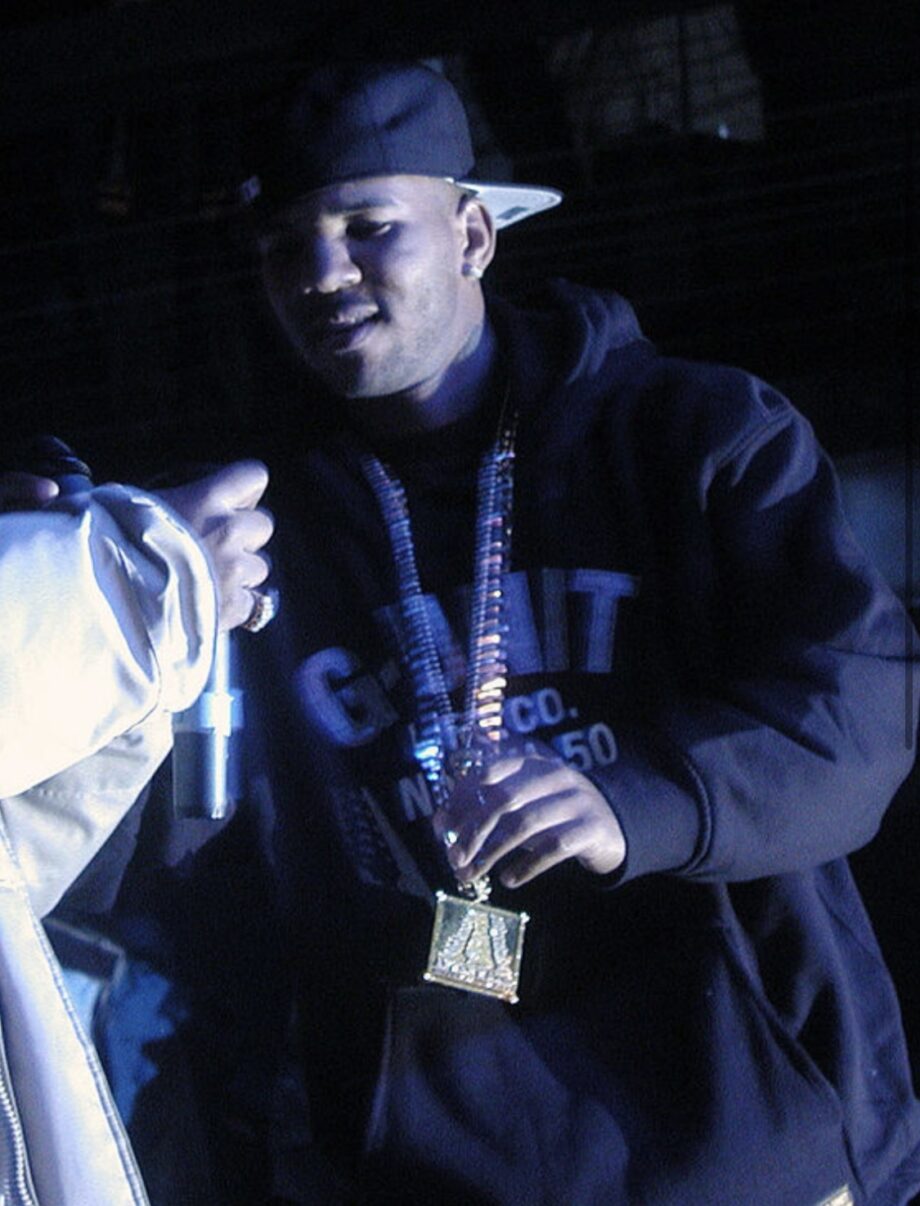
When Los Angeles rapper “The Game” dismisses today’s hip-hop landscape as “trash,” it’s easy to file it under the usual generational divide—old heads complaining about the new kids. But his critique resonates for a reason. For a genre built on raw testimony, lyrical skill, and cultural storytelling, something about the modern scene *does* feel different. The real question is whether that difference signals evolution… or erosion.
The Algorithm Era
To understand The Game’s frustration, you have to look at how the business of hip-hop has reshaped the music itself. Streaming didn’t just change how people listen—it changed how artists create. The dominant sound of the moment is light, melodic, and designed to be consumed in short bursts. The average hit today is under three minutes, sometimes under two, optimized not for depth but for replayability.
Songs are often structured around a single sticky moment: a hook calibrated for TikTok, a beat drop engineered for a viral dance, a meme-ready lyric. In this world, substance becomes optional; what matters is whether the sound can float across a For You Page long enough to earn a new listener.
This isn’t inherently bad—but for artists like The Game, who built careers on narrative grit and bar-for-bar competition, it represents a cultural downsizing.
Homogeneity in a Genre Once Defined by Difference
Hip-hop used to be proudly regional and relentlessly diverse. New York sharpened its lyricists, the West Coast crafted cinematic funk, the South championed bass and drawl. Today, that tapestry feels ironed flat. Much of mainstream rap circles the same production palette: trap drums, atmospheric pads, Auto-Tuned crooning, and triplet flows recycled to the point of exhaustion.
Even diehard fans admit that many charting artists sound interchangeable. A generation raised on open-source beats and YouTube tutorials inherited both the accessibility and the aesthetic sameness they produce. What once separated MCs now blends them together.
The Shift From Culture to Content
Perhaps the most telling change—and the one The Game may be reacting to most viscerally—is the shift in values. Hip-hop used to be a culture first, an industry second. Today it’s undeniably the reverse.
Labels chase influencers over artists. Release schedules bend to social engagement metrics. Personal drama becomes promotional strategy. Meanwhile, the traditional cornerstones—freestyling, battling, regional identity, community storytelling—fade further from the mainstream conversation each year.
Hip-hop didn’t lose its soul; it traded it for scale.
But “Trash”? Not Exactly.
What The Game gets wrong is the blanket dismissal. Beneath the surface-level noise, hip-hop is still one of the most innovative spaces in modern music. The underground and independent scenes are flourishing. Lyricists are still pushing boundaries. Experimental artists are fusing rap with jazz, electronic, punk, and Afrobeats. Global scenes—from London drill to South African amapiano—are reshaping hip-hop’s borders in ways earlier generations couldn’t have imagined.
If anything, mainstream rap feels stale precisely because the most creative work isn’t living on the charts.
A Generational Argument, Not a Cultural Death
The Game’s critique is less an indictment of hip-hop and more a lament for a particular era: one where skill overshadowed spectacle, and where an artist’s voice mattered more than their virality. That world hasn’t disappeared entirely—but it’s no longer the center of gravity.
Is today’s hip-hop trash? No.
Is today’s mainstream hip-hop less artistically demanding than the eras The Game came up in? Often, yes.
In the end, The Game isn’t wrong—he’s just nostalgic for a time when the culture valued what he valued. And in a genre built on evolution, holding on to the past can feel both righteous and futile.
Hip-hop isn’t dying.
It’s just speaking a different language now—and some people don’t like the translation.


