
Step inside a modest cultural space in Milwaukee and you’ll find something powerful: a place where rhythm, rebellion, and creativity are carefully preserved behind glass cases and mounted on vibrant walls. The Milwaukee Hip Hop Museum isn’t just a collection of memorabilia—it’s a living archive of a movement that reshaped music, fashion, language, and identity around the world.
From the moment visitors walk in, the energy is unmistakable. Old-school beats seem to echo through the space, even when the room is quiet. Bright colors, layered textures, and the visual language of street art surround you. This isn’t a silent, distant museum experience—it feels alive, like the culture it celebrates.
Built from Passion, Preserved with Purpose
The museum exists because one person believed hip-hop history deserved to be saved. Founder and curator Antonia Anderson spent decades collecting pieces of culture many people overlooked—vinyl records, cassette tapes, posters, photographs, and everyday objects tied to the growth of hip-hop. What began as a personal archive gradually transformed into something much larger: a place where history could be shared, studied, and experienced.
Her collection reflects devotion not just to famous artists, but to the culture as a whole. Hip-hop here is presented as a complete ecosystem—music, art, fashion, performance, and community all woven together.
A Walk Through Hip-Hop’s Visual and Sonic Timeline
Each display tells a story. In one section, rows of vintage vinyl records sit in protective sleeves, their cover art capturing the bold design trends of different eras. Nearby, classic DJ equipment—turntables, mixers, and well-worn headphones—reminds visitors how much of hip-hop’s innovation began with experimentation and improvisation.
Glass cases hold colorful concert flyers advertising small club shows and neighborhood performances. Many are slightly faded, printed on thin paper that was never meant to last. Yet here they remain, documenting the underground energy that fueled the culture’s rise.
There are boomboxes—large, loud, and unmistakably iconic—once carried through streets and parks as portable sound systems for entire communities. Visitors also find graffiti sketchbooks filled with marker experiments and early tag designs, offering a glimpse into hip-hop’s visual storytelling traditions.
Fashion plays its part, too. Displayed sneakers, jackets, and accessories reveal how style became a form of identity and expression. In hip-hop, what you wore was never just clothing—it was a statement.
Celebrating Local Voices Alongside Global Influence
While the museum honors hip-hop’s worldwide impact, it also shines a spotlight on regional creativity. Artists, DJs, and performers from Wisconsin are featured throughout the exhibits, showing how the culture flourished far beyond its most famous urban origins. This focus gives the museum a grounded, personal feel. It reminds visitors that hip-hop belongs to anyone who creates, performs, and lives it—no matter where they are.
Photographs, recordings, and event materials from local scenes reveal vibrant communities that helped shape the sound and spirit of the Midwest. The message is clear: hip-hop history isn’t just something that happened elsewhere. It happened here, too.
A Cultural Classroom
The museum is more than a display space—it’s an educational hub. Workshops and tours help younger generations understand the roots of the music they stream every day. By connecting beats to history and style to social context, the museum turns cultural appreciation into cultural understanding.
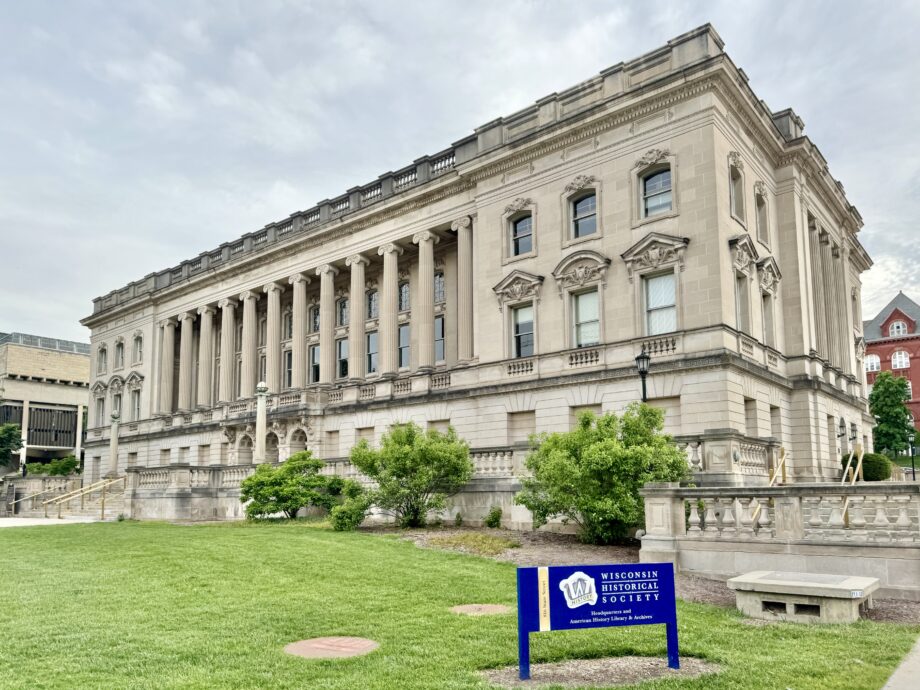
Institutions like the Wisconsin Historical Society have also helped spotlight the state’s hip-hop heritage through exhibitions and research, reinforcing the idea that this cultural movement is a vital part of regional history.
Why It Matters
Museums often preserve what people already agree is important. Places like this help define what should be considered important. By safeguarding records, art, and memories, the Milwaukee Hip Hop Museum protects a culture built on expression, resilience, and innovation.
Hip-hop has always been about making something meaningful out of what’s available—sound, space, voice, and experience. Here in Milwaukee, that same spirit lives on. The beat hasn’t stopped. It’s simply being remembered, honored, and passed forward—one artifact at a time.


