The rise of hip-hop from the 1970’s in New York street culture that grew to a global creative force, few figures move through as many scenes—and moments—as Fab 5 Freddy. Born Fred Brathwaite in Brooklyn, Freddy has spent decades as a cultural bridge: a graffiti artist who mingled with downtown painters, a hip-hop pioneer who helped introduce rap to television audiences, and a tastemaker whose influence rippled far beyond the clubs and galleries of 1980s New York.
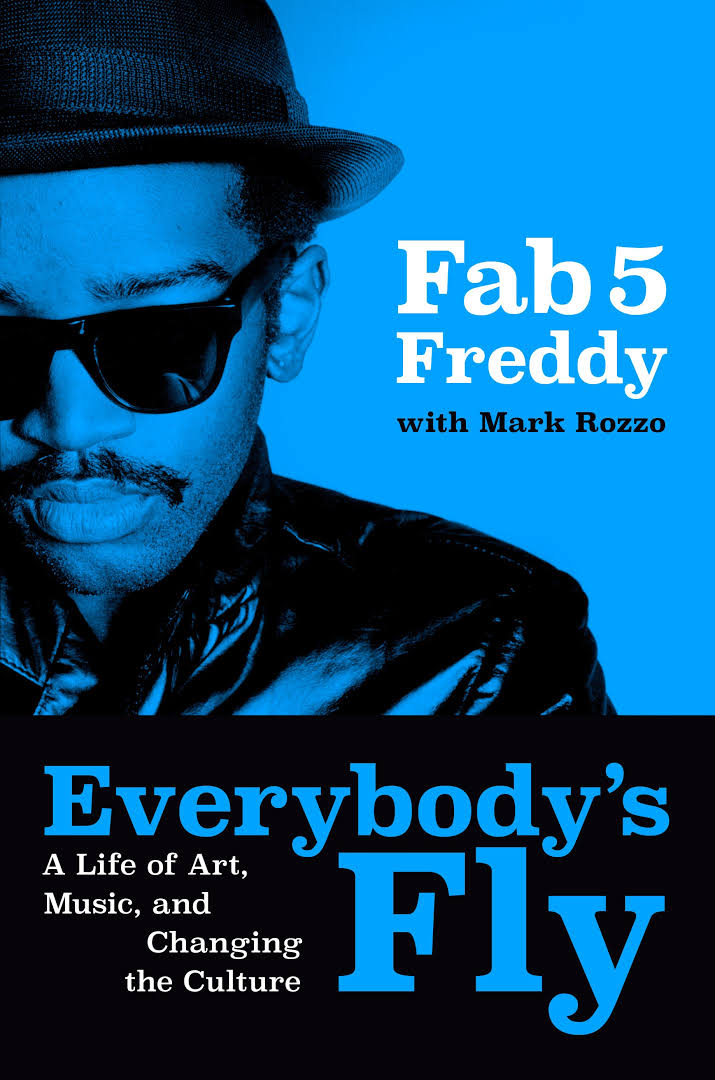
Now he’s telling his story in his new memoir, Everybody’s Fly: A Life of Art, Music, and Changing the Culture. The book traces Freddy’s journey through the explosive creative world that helped define modern hip-hop, offering an insider’s look at a time when music, art, and nightlife collided in unexpected ways.
Freddy first emerged in the late 1970s as part of the early graffiti movement, a moment when subway cars became moving canvases and street artists began pushing their work into galleries. But his real gift was connection. While many artists stayed rooted in their own scenes, Freddy moved between them—linking Bronx hip-hop parties with Manhattan’s downtown art world and punk clubs.
Those cross-pollinations produced some of the most iconic cultural moments of the era. Freddy moved in the same circles as artists like Jean‑Michel Basquiat and musicians including Debbie Harry. His influence even made it into pop history through Blondie’s 1980 hit Rapture, where Harry famously raps the line: “Fab Five Freddy told me everybody’s fly.” Decades later, that lyric inspired the title of his memoir.
Freddy’s role as a cultural translator only expanded in the late 1980s when he became the first host of Yo! MTV Raps. At a time when hip-hop was still fighting for mainstream attention, the show introduced audiences around the world to the music, fashion, and personalities shaping the movement. For many viewers outside the United States, it was their first real window into rap culture.
In Everybody’s Fly, Freddy revisits those years with the perspective of someone who lived through the chaos and creativity of the era. The memoir blends personal stories with snapshots of a city in transformation—New York in the late 1970s and early ’80s, when abandoned buildings, underground clubs, and art studios became incubators for a new kind of culture.
What emerges isn’t just a nostalgic look back at hip-hop’s early days. Freddy frames the period as a moment of radical openness, when artists ignored traditional boundaries between mediums and communities. Graffiti writers collaborated with gallery painters. Punk musicians hung out with DJs. Fashion, music, and visual art were constantly influencing one another.
That spirit of experimentation runs throughout Freddy’s career. Whether directing music videos, producing films, or curating art shows, he has continued to move between worlds in the same way he did decades ago—connecting scenes that might otherwise remain separate.
If hip-hop’s history often centers on the MCs and DJs who defined its sound, Fab 5 Freddy represents another crucial figure: the cultural conduit. With Everybody’s Fly, he offers a firsthand account of how those worlds came together—and how a movement born in New York streets became a global language of style, art, and music.
Fab 5 Freddy’s book is available to buy now in all good book outlets.


