
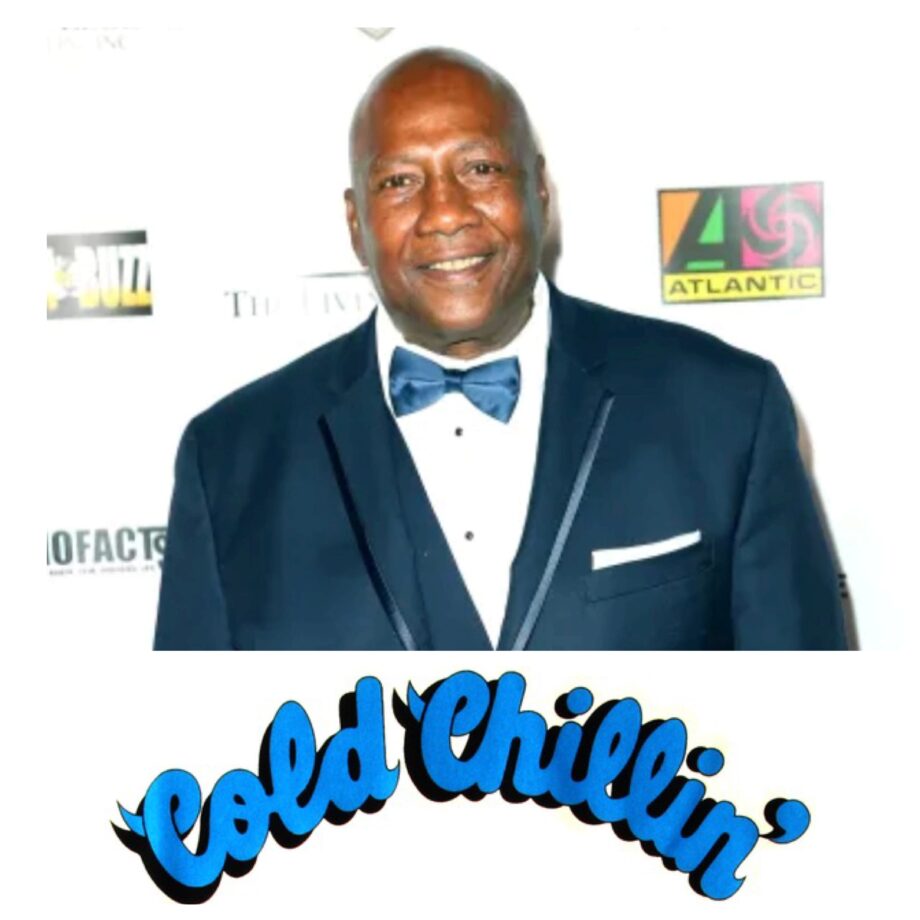
In the pantheon of hip-hop pioneers, some names echo loudly — the MCs, the DJs, the producers whose voices and beats defined an era. But behind that soundscape stood a select few visionaries who shaped the culture with equal force, even if their names weren’t always front-and-center. Tyrone “Fly Ty” Williams was one of them — a force whose intuition, grit, and unwavering belief in the raw power of street poetry helped lay the foundation for hip-hop’s Golden Age.
Williams didn’t just watch history unfold — he engineered it. Long before rap dominated global charts and corporate boardrooms, he recognized its potential and helped bring it to the masses. His work in radio in the early 1980s, particularly alongside Mr. Magic and Marley Marl on the *Rap Attack* show, put a spotlight on new voices at a time when hip-hop rarely made it onto mainstream airwaves. His ear was sharp, his instincts proven, and his vision decades ahead of its time.
But it was in 1986, with the birth of Cold Chillin’ Records, that Fly Ty’s influence crystallized into legacy. As co-founder of the label, Williams created not just a business, but a cultural home — a place where lyricists, beatmakers, and street philosophers could craft the sound that would define a generation. Cold Chillin’ became the nucleus of the legendary Juice Crew, a collective that gave the world giants like Big Daddy Kane, Biz Markie, Roxanne Shanté, Kool G Rap, Masta Ace, and others who would push lyricism, storytelling, and style into new territory.
Under Williams’ leadership, Cold Chillin’ didn’t chase trends — it set them. The label championed authenticity at a time when the industry often demanded compromise. It offered artists the freedom to experiment, to sharpen their pen, to speak unapologetically about the realities they lived. And in doing so, it helped elevate hip-hop from a regional movement to a cultural force with national — and eventually global — reach.
Fly Ty’s genius wasn’t in grabbing the spotlight, but in recognizing brilliance in others and giving it space to shine. He understood the value of originality. He knew that the voices coming out of Queensbridge, Brooklyn, and beyond held stories the world needed to hear. And he took risks — the kind that changed careers, and in turn, changed the culture.
When Tyrone “Fly Ty” Williams passed away at 62, the hip-hop community lost a pioneer whose fingerprints remain everywhere — in the flows of today’s lyricists, in the business models of modern independent labels, in the DNA of the Golden Age artists who continue to inspire new generations. His work helped turn hip-hop from a neighborhood soundtrack into an international language.
Fly Ty may not have held the mic, but he amplified a movement. He helped carve out the path that countless artists walk today. And in every beat that echoes from a subway car, every cipher ignited on a street corner, every young artist chasing a dream — his legacy lives on.
Rest in power, Fly Ty.
A quiet giant.
A builder of culture.
A pillar of the Golden Age whose influence will never fade.


