
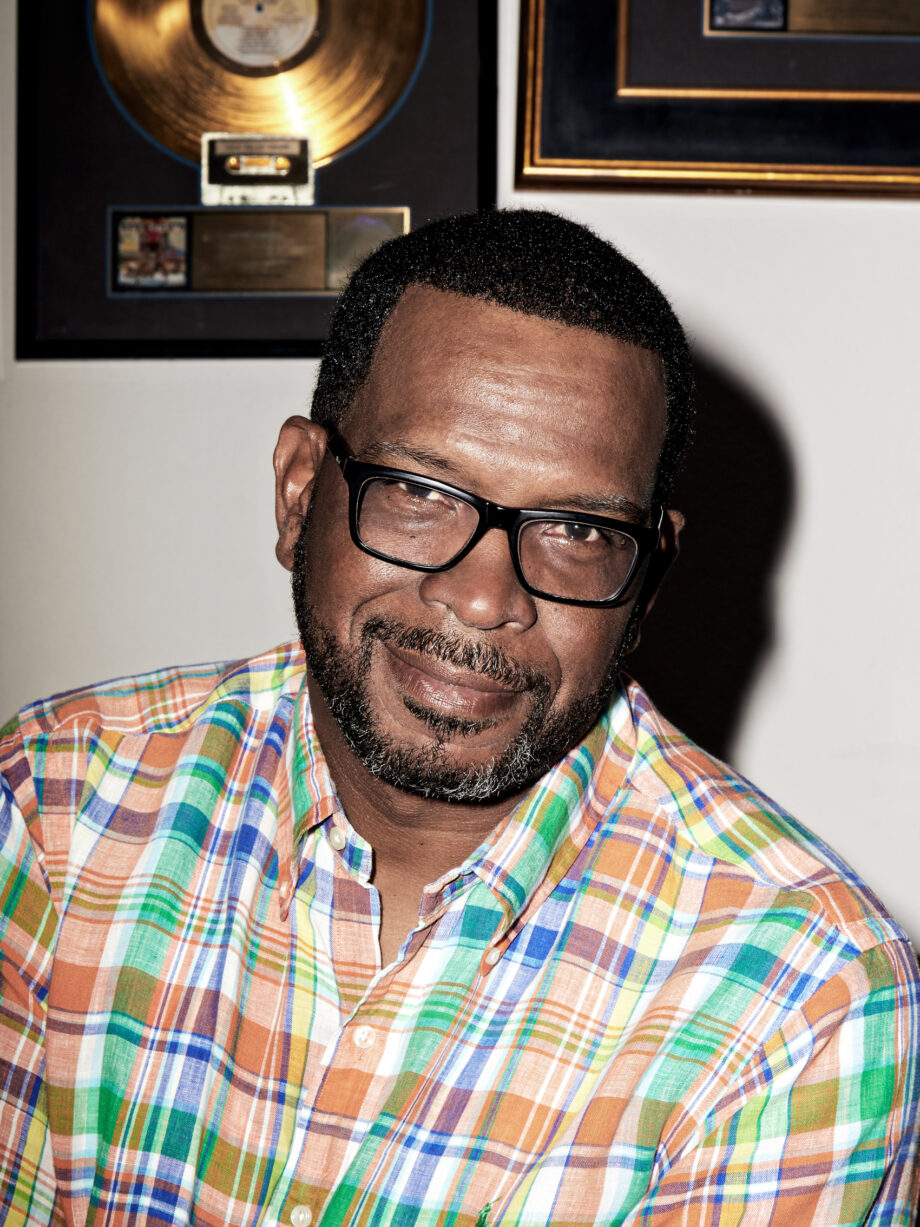
Uncle Luke didn’t plan to run for Congress.
He planned to fix what was cracked, crooked, and long ignored — same as always.
But somewhere between patching potholes and calling out city budgets that made no sense, people started saying what the neighborhood already knew:
Luke doesn’t just fix things. He speaks for people.
And when he talks, it sounds less like politics…
more like rhythm. More like truth on a beat. More like hip-hop before anyone gave it a name.
Luke moves like a man who understands flow.
Not the music industry kind — the everyday kind. The rhythm of buses running late. The bassline of rent going up. The off-beat timing of paperwork nobody can decode. The chorus of voices saying something ain’t right.
He listens first. Always has.
On porches. In barbershops. Outside corner stores. At folding tables where coffee is too strong and patience is too thin. He hears stories like verses — each one raw, unpolished, real.
And he remembers them.
Because hip-hop, at its heart, is testimony.
It’s witness.
It’s turning struggle into sound so loud nobody can ignore it.
That’s what Uncle Luke is taking to Congress.
His campaign doesn’t feel like a campaign. It feels like a movement warming up.
Posters going up like street art.
Volunteers moving like a crew setting up speakers before a show.
Meetings that sound like cyphers — people stepping forward, speaking their piece, passing the energy around the room.
No polished scripts. No corporate shine.
Just truth with rhythm behind it.
Luke says government should sound like the people living inside it — not a distant echo, not a filtered broadcast, but a live mic. Open. Honest. Uncut.
He talks about policy the way an emcee talks about bars —
clear structure, strong delivery, nothing wasted.
If it doesn’t land, rewrite it.
If it doesn’t help people, scrap it.
If it doesn’t make sense, break it down until it does.
Some politicians perform power.
Luke performs presence.
He doesn’t raise his voice to dominate a room. He raises it so nobody standing in the back gets left out. When he speaks, you can almost hear the beat underneath — steady, grounded, impossible to ignore.
Because what he’s bringing isn’t noise.
It’s cadence.
It’s memory.
It’s lived experience with a rhythm that refuses to be muted.
The night before announcing his run, Luke stood outside the old print shop — campaign posters stacked behind him, streetlights humming overhead like low bass.
His niece asked what he planned to do when he got to Congress.
Luke smiled the way someone smiles before stepping up to the mic.
“Same thing hip-hop always did,” he said.
“Tell the truth loud enough they can’t pretend they didn’t hear it.”
If he wins, Congress won’t just gain another voice.
It’ll gain timing.
It’ll gain edge.
It’ll gain a man who understands that representation isn’t about sounding important —
It’s about sounding real.
And Uncle Luke?
He’s been in rhythm with the people his whole life.


