
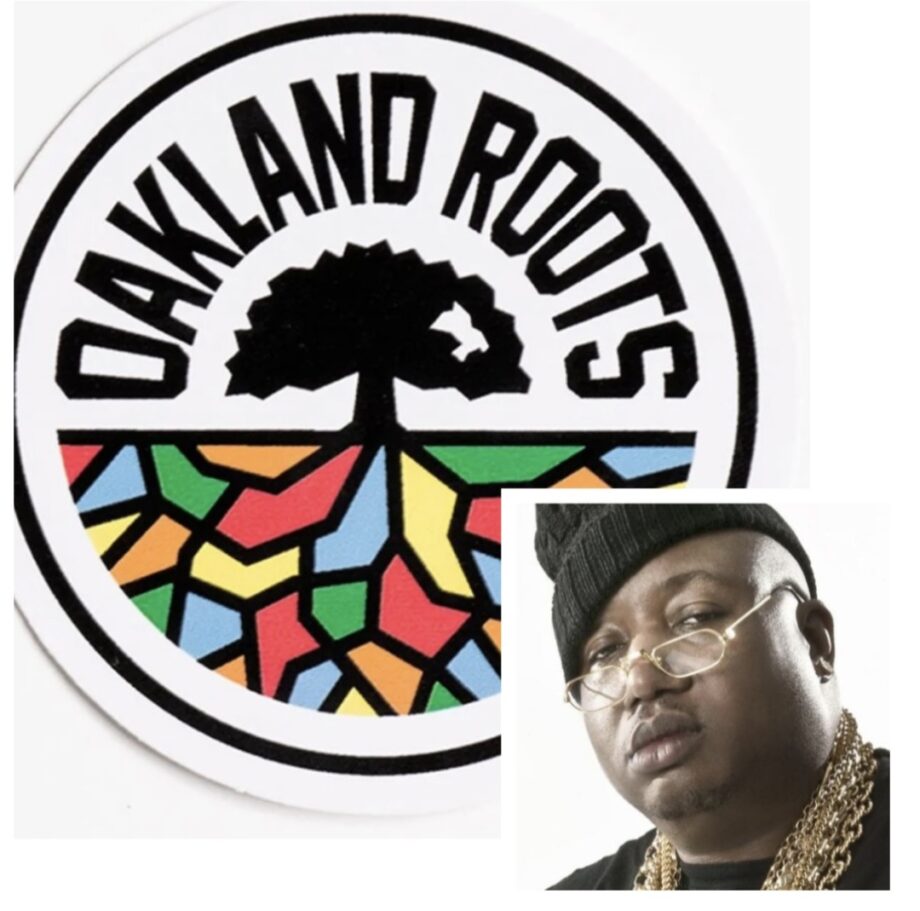
In a move that feels less like a headline and more like a full-circle moment, Bay Area rap icon E-40 has stepped into professional soccer ownership — and the culture is paying attention.
This isn’t just another celebrity investment story. It’s a hometown play. A community statement. A cultural bridge between hip-hop and the world’s game.
And for Oakland, it means something deeper.
A rapper investing in roots — literally
E-40 recently joined the ownership group behind Oakland’s professional men’s and women’s soccer teams. He didn’t buy the club outright, but his stake makes him part of the decision-making future of the franchise — and part of the growing wave of artists putting real money into sports institutions.
But unlike splashy investments in major global clubs, this move feels grounded. Intentional. Local.
For decades, E-40 has been one of Oakland’s most recognizable cultural ambassadors — a voice of the Bay Area’s sound, slang, and swagger. His music helped define a regional identity that spread worldwide. Now he’s channeling that same energy into building something tangible in the city itself.
And timing matters.
Oakland has watched major professional teams leave in recent years, creating a vacuum not just in sports, but in civic identity. Soccer — especially community-driven clubs — has stepped into that emotional space. By investing now, E-40 isn’t just entering sports ownership. He’s helping anchor a new era of local pride.
Culture meets the pitch
Soccer has always been global. Hip-hop has always been global. But their connection has been growing louder — in stadium playlists, kit collaborations, tunnel walk music, and fan culture around the world.
E-40’s move makes that connection official in a very Bay Area way.
Ownership here isn’t just about business strategy or franchise valuation. It’s about atmosphere. Experience. Identity. The same ingredients that make music scenes thrive are now shaping how sports clubs think about fans.
That crossover will be visible immediately. To celebrate his investment, E-40 is scheduled to perform at the club’s home opener — a symbolic fusion of music, sport, and community all in one space. Not a corporate announcement. A cultural moment.
A new model of celebrity ownership
Athletes and entertainers buying into sports teams isn’t new. But the type of investment is changing.
Instead of chasing the biggest leagues or most valuable franchises, more cultural figures are backing smaller clubs with strong community ties. These teams often emphasize social impact, local identity, and fan ownership structures alongside competitive success.
That model fits hip-hop’s long tradition of neighborhood loyalty and grassroots influence.
It also reflects a generational shift. Ownership is no longer just about status — it’s about legacy, visibility, and building institutions that reflect cultural values.
E-40 joins an ownership group already known for blending music, sports, and community storytelling. His presence strengthens that identity and signals that the club isn’t just a team — it’s a cultural platform.
Why this resonates beyond Oakland
Zoom out, and the move reflects something bigger happening across hip-hop culture.
Artists are expanding beyond endorsements and branding into infrastructure — owning spaces, platforms, and institutions. From tech investments to media companies to sports franchises, influence is turning into equity.
Soccer, in particular, makes sense. It’s the fastest-growing global sport, deeply tied to youth culture, fashion, and urban identity — all spaces where hip-hop has long held power.
By stepping into ownership, E-40 isn’t just following a trend. He’s localizing it. Grounding global sport in neighborhood meaning.
More than a business deal
At its core, this story isn’t about finance.
It’s about continuity.
A rapper who built his career representing Oakland is now helping shape one of the city’s most visible cultural institutions. Music once amplified the city’s voice to the world. Now sports might do the same — with one of hip-hop’s most enduring figures helping lead the charge.
Ownership, in this sense, becomes storytelling.
And for Oakland, the message is clear: the culture isn’t leaving. It’s building something new — right at home.


