
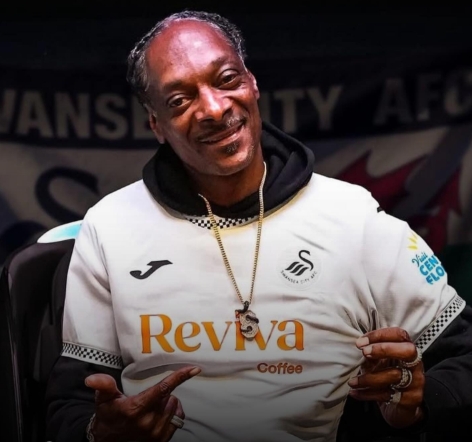
When he stepped into the stands at Swansea.com Stadium, the atmosphere felt less like a Championship matchday and more like a cultural moment. Cameras flashed, fans roared, and football briefly blended with global Hip hop culture. It was the kind of spectacle modern clubs increasingly crave — attention that stretches far beyond the pitch.
Snoop Dogg’s recent trip to South Wales to watch the club he now part-owns wasn’t just a celebrity visit. It was a statement of intent. The hip-hop icon built his career turning personal brand into global influence — and that same formula could reshape Swansea’s identity on the world stage.
For decades, he has been more than a rapper. He’s a media personality, entrepreneur, brand collaborator and cultural symbol whose reach spans continents. From his early rise out of Long Beach to becoming one of the most recognisable entertainers on the planet, his career has been defined by reinvention and commercial instinct. That kind of visibility is something most football clubs — especially outside the elite tier — spend years trying to build.
Modern football isn’t just about results. It’s about recognition. Clubs compete for global attention, digital engagement and commercial partnerships as fiercely as they compete for points. Celebrity ownership taps directly into that reality. A globally recognised personality can open doors to new sponsorships, international audiences and crossover marketing opportunities that traditional football branding rarely achieves on its own.
Snoop’s long history of collaborating with major brands makes him particularly valuable in this space. His involvement could translate into lifestyle merchandise, entertainment-driven campaigns and partnerships that position the club as part of popular culture — not just sport. That shift matters. When a club becomes culturally relevant, it becomes commercially powerful.
There’s also the American market to consider. British football has huge global appeal, but attention tends to cluster around the biggest names. A figure with Snoop’s profile offers a different pathway — one built on personality and storytelling. His presence gives Swansea a chance to connect with audiences who might never have followed the Championship, but will follow a narrative that blends music, identity and football ambition.
And narrative is everything. He has spoken openly about identifying with the club’s underdog spirit — a story that mirrors his own rise from local fame to worldwide success. That kind of emotional connection is marketing gold. It turns a team into a story people want to follow.
Ultimately, the ambition is clear: global visibility leads to commercial growth, which supports investment, which fuels sporting success. It’s the same cycle that powers the world’s biggest clubs — just approached from a different angle.
If promotion to the Premier League is football’s ultimate prize, global recognition is the modern game’s parallel trophy. With one of entertainment’s most recognisable figures now part of the journey, Swansea’s path to both may be more connected than ever.
What happened in South Wales wasn’t just a visit. It was a glimpse of how football’s future might look — where culture, celebrity and sport combine to turn a local club into a worldwide brand.


