
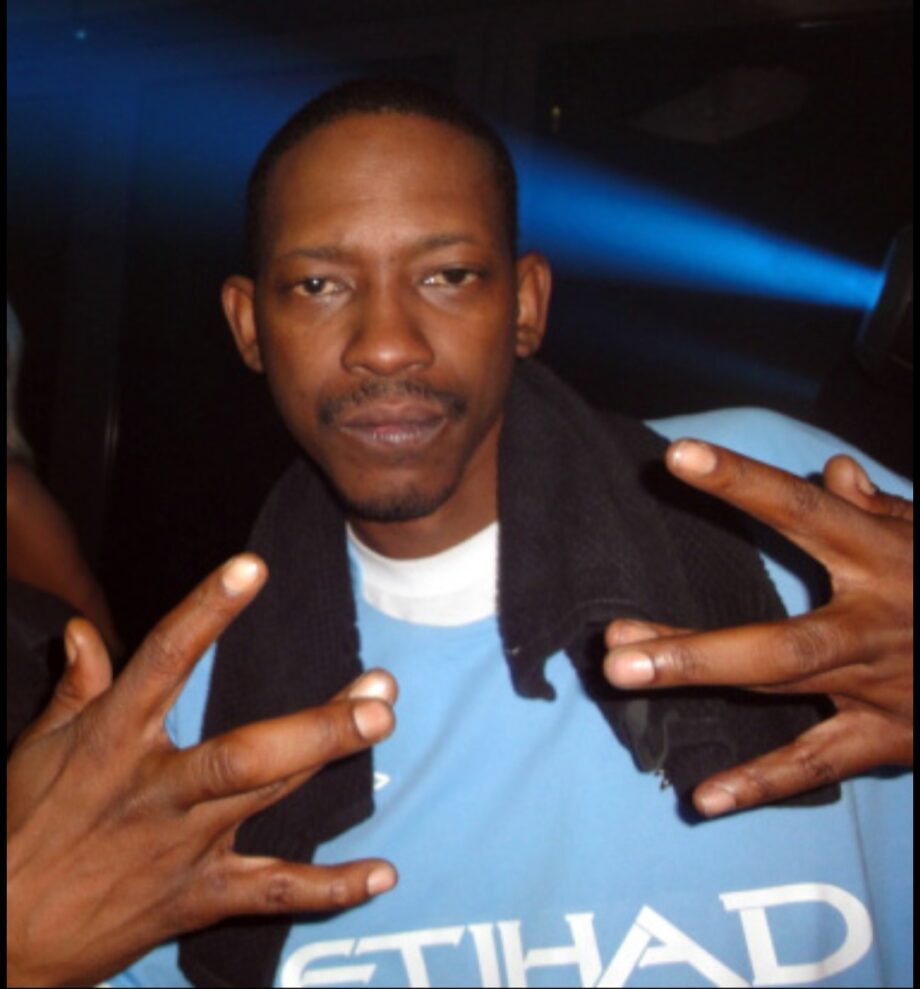
West Coast hip‑hop breathed a sigh of relief as Kurupt, the legendary lyricist and longtime pioneer of the West Coast sound, was admitted to hospital following a mysterious illness. While details of his condition remain private, sources confirm that the 53‑year-old rapper is on the road to recovery, prompting an outpouring of support from fans, collaborators, and fellow artists.
Ricardo “Kurupt” Brown, born in Philadelphia and later rooted in Long Beach, California, is widely recognized as one of the most influential voices in West Coast hip‑hop. His journey from the East Coast to the West Coast mirrors the genre’s own evolution, bridging styles and regions while leaving an indelible mark on hip‑hop culture.
Defining the G-Funk Era
Kurupt’s career skyrocketed in the early 1990s when he joined Death Row Records, the powerhouse label that defined West Coast gangsta rap. Collaborating with Dr. Dre, Snoop Dogg, Nate Dogg, and others, he helped craft the G-funk sound — smooth, bass-driven beats paired with sharp, narrative lyricism.
As one half of Tha Dogg Pound alongside Daz Dillinger, Kurupt cemented his status as a West Coast icon. Their 1995 album Dogg Food became a classic, praised for its authenticity, storytelling, and lyrical precision, while their contributions to Dr. Dre’s The Chronic and Snoop Dogg’s Doggystyle helped shape the sound of a generation.
Milestones, Songs, and Cultural Impact
Across more than three decades, Kurupt’s catalog has served as a lyrical benchmark for MCs on both coasts. Early standouts like “New York, New York” announced his East-to-West transition with confidence and edge, while tracks such as “C-Walk” and “We Can Freak It” showcased his ability to balance street authenticity with mainstream appeal. His verse work on landmark albums like The Chronic and Doggystyle is still studied for its precision, aggression, and effortless flow.
Tha Dogg Pound’s Dogg Food debuted at No. 1 on the Billboard 200, solidifying Kurupt not only as a gifted lyricist but as part of one of hip-hop’s most formidable duos. As a solo artist, albums like Kuruption! and Streetz Iz a Mutha further demonstrated his versatility, blending hardcore West Coast grit with introspective and experimental moments.
Beyond chart success, Kurupt earned enduring respect within the culture. Frequently cited by peers as a “rapper’s rapper,” he became known for lyrical consistency rather than chasing trends. His later work with The HRSMN supergroup — alongside Canibus, Ras Kass, and Killah Priest — reinforced his reputation as a technician devoted to the craft of emceeing, while his mentorship of younger artists helped preserve traditional lyricism in an evolving genre.
Death Row Years, Peer Recognition, and Life After the Label
Kurupt’s time at Death Row Records marked one of the most potent runs in West Coast hip-hop history. Emerging as one of the label’s sharpest lyricists, he quickly earned the respect of peers who recognized him as a technical standout in an era defined by larger-than-life personalities. Dr. Dre leaned on Kurupt’s pen during the The Chronic sessions, while Snoop Dogg repeatedly praised him as one of the most naturally gifted MCs to ever touch a microphone. Within Death Row’s turbulent rise, Kurupt’s verses became a stabilizing force — precise, fearless, and impossible to overlook.
As part of Tha Dogg Pound, Kurupt helped define Death Row’s mid-’90s dominance. Their performances, music videos, and high-profile tours placed him at the center of hip-hop’s most visible movement, while his lyrical battles and competitive edge cemented his reputation as a “rapper’s rapper.” Even amid the label’s internal conflicts and eventual decline, Kurupt remained synonymous with lyrical credibility rather than controversy.
Following his departure from Death Row, Kurupt navigated an industry in transition. While many artists from that era struggled to adapt, he carved out longevity through independence and collaboration. His solo releases reaffirmed his commitment to bars over trends, and his later return to Death Row in an executive role symbolized both reconciliation and growth — a rare full-circle moment in hip-hop history.
In the years that followed, Kurupt became a bridge between generations. Younger artists cited his cadence and wordplay as foundational, while veterans continued to hold him in elite lyrical company. Whether trading verses in underground circles, forming supergroups like The HRSMN, or appearing alongside West Coast peers in celebration of the culture’s roots, Kurupt’s presence remained authoritative and respected.
A Legacy Celebrated
Kurupt’s hospitalization reminded the hip-hop community of the fragility of even its most celebrated figures, but his release has inspired celebration and reflection. Fans and peers alike are honoring his decades-long contribution to music and culture, from defining the West Coast sound to mentoring younger artists and staying relevant in today’s scene.
Kurupt’s influence continues to resonate. His journey — from Philadelphia to Long Beach, from Death Row to solo success — is a testament to the enduring power of lyricism, collaboration, and authenticity in hip-hop. For a genre that moves fast, Kurupt’s legacy remains timeless.


